


Water-Filled K-Rail Planning: Delivery, Setup, and Site Considerations
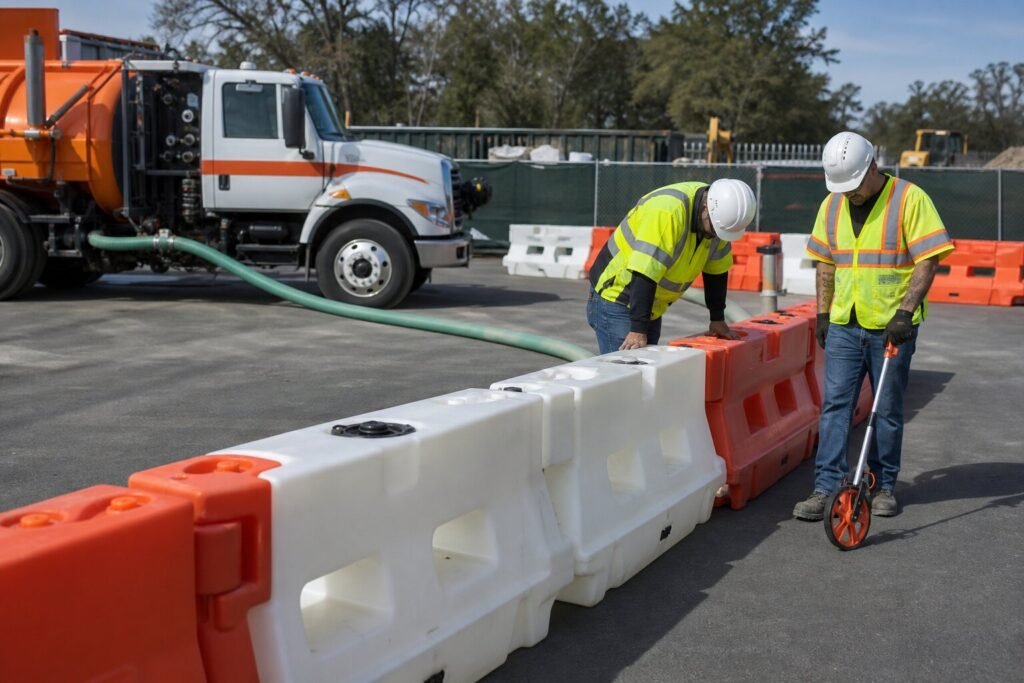
Plan water-filled K-rail projects around approved use, delivery access, connections, filling, drainage, alignment, visibility, and routine inspection.
AFAD vs. Human Flagger: Factors for Temporary Traffic Control
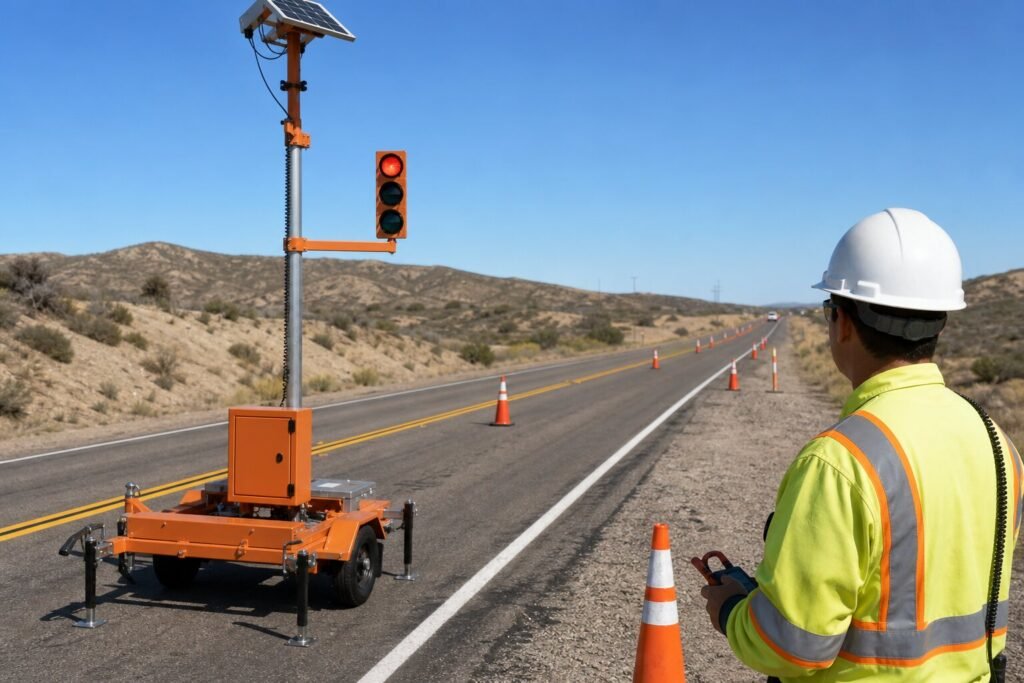
Compare AFADs and human flaggers by roadway conditions, traffic plans, equipment, staffing, visibility, and applicable safety requirements.
Traffic Control Equipment Rental Planning Checklist for Contractors
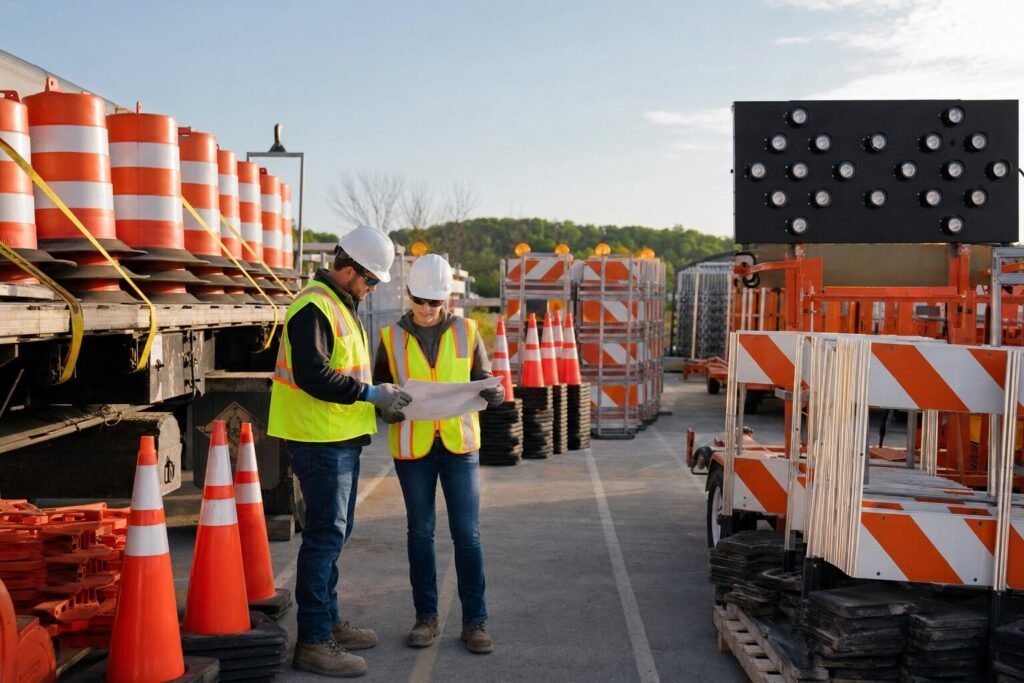
Plan traffic control equipment rentals around project phases, work hours, delivery access, inspections, quantities, and contingency needs.
The Importance of CA-MUTCD Compliance in Every Traffic Control Plan
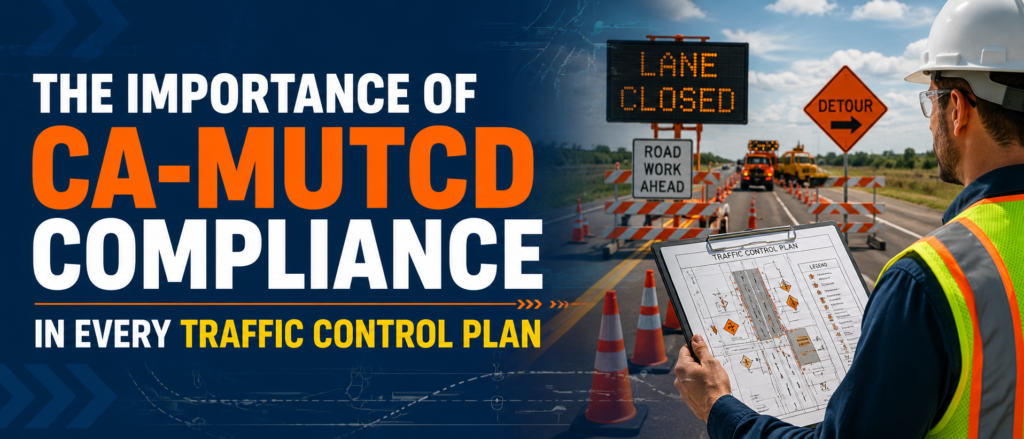
In California, a traffic control plan is not just a suggestion — it is a legal and safety requirement. The California Manual on Uniform Traffic Control Devices (CA-MUTCD) sets the statewide standards for temporary traffic control in work zones. Failing to comply can result in stop-work orders, fines, increased liability, project delays, and most importantly, […]
Nighttime Work Zones: Challenges, Strategies & Safety Measures
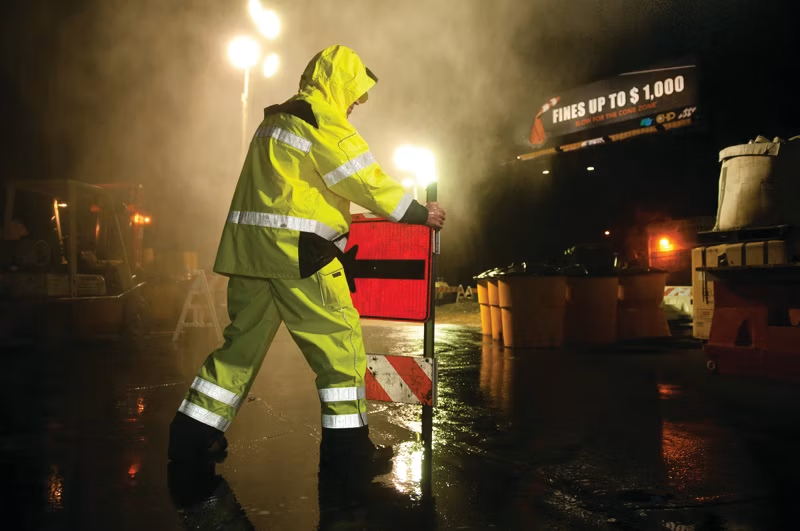
Nighttime construction and maintenance work has become essential in California’s roadway work zones, helping reduce daytime traffic congestion, speed up project completion, and meet tight deadlines. However, work zones after dark introduce significant safety challenges for both workers and drivers due to reduced visibility, driver fatigue, and higher operating speeds in low-light conditions. Safety Network […]
Why Renting Traffic Devices Often Costs Less Than Owning Them
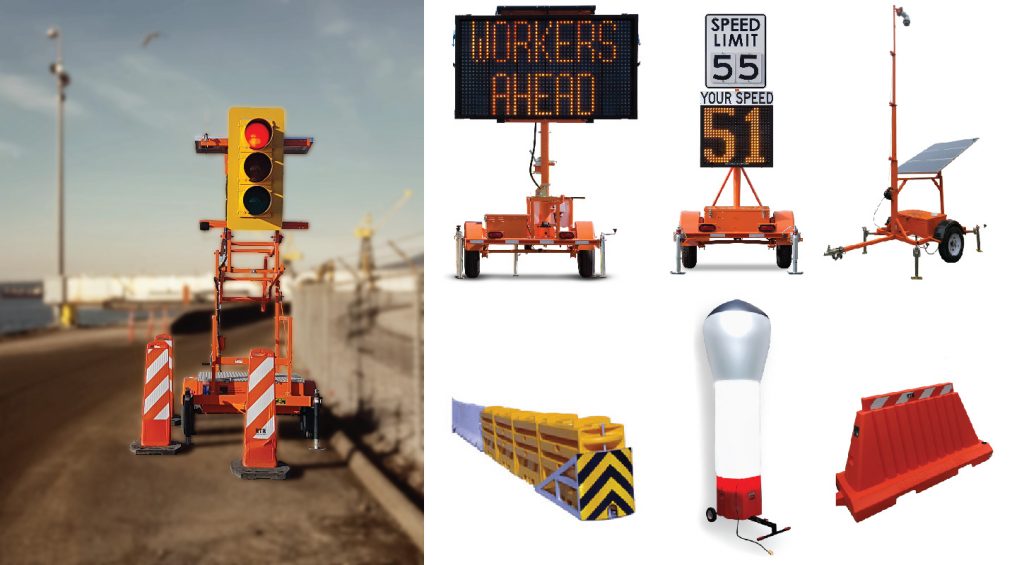
For traffic control contractors, deciding whether to own or rent arrow boards, TMAs, message boards, and other safety devices is a major financial and operational choice. Many companies assume that owning equipment saves money in the long run. However, when you factor in real-world costs, maintenance, downtime, storage, insurance, and depreciation, renting traffic devices frequently […]
How to Choose the Right Arrow Board Size for Highway vs. Urban Jobs
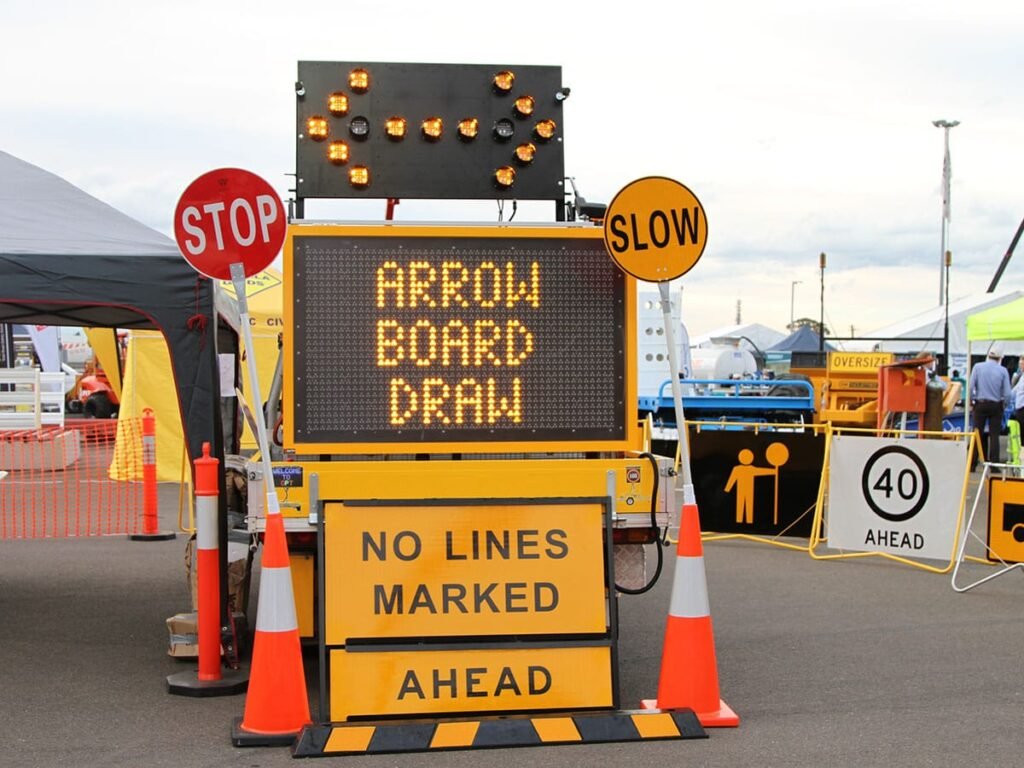
Selecting the correct arrow board size is one of the most important decisions you make when setting up a work zone. The right arrow board improves driver awareness, increases safety, ensures MUTCD and Caltrans compliance, and helps your crew work more efficiently. Choosing the wrong size can lead to poor visibility, driver confusion, failed inspections, […]
Minimizing Community Impact: How Safety Network Reduces Lane Delays
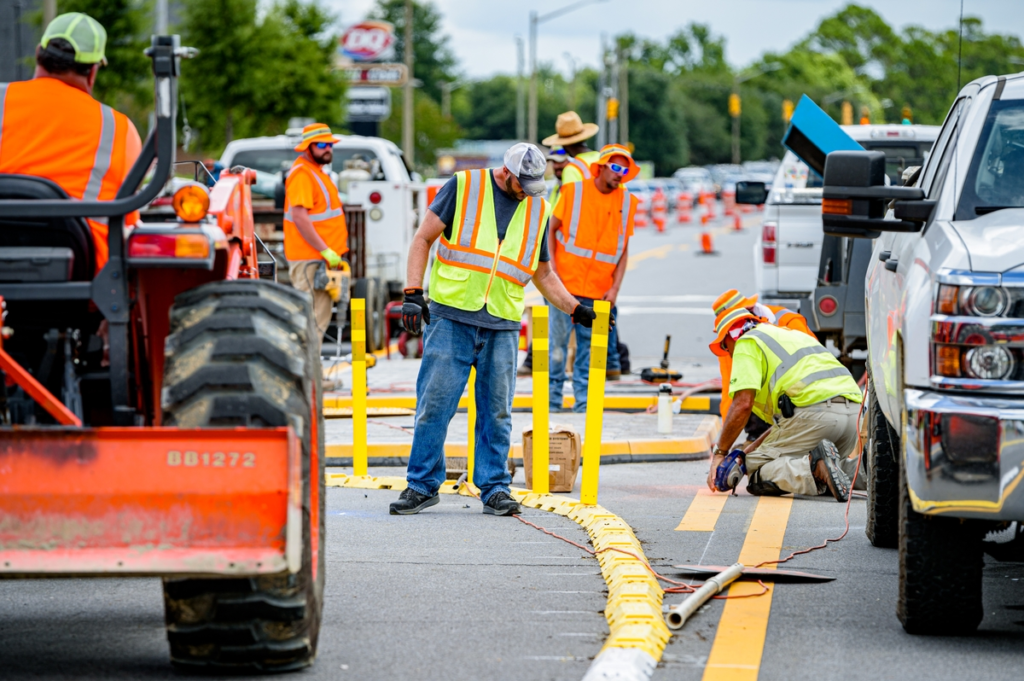
Lane closures and work zones are unavoidable when maintaining, repairing or upgrading California’s roads, bridges, utilities and public infrastructure (lane delay). Yet every additional minute a lane remains closed creates measurable community costs: increased travel times, higher fuel consumption, elevated crash risk, greater vehicle emissions, frustrated drivers, and complaints to local agencies and elected officials. […]
Message Boards & Light Towers: Deploying Visibility When It Matters Most
Work-zone visibility failures remain one of the leading contributors to secondary crashes — incidents where drivers strike equipment, workers, or other vehicles because they did not see the hazard in time. FHWA and NHTSA data (2023–2025) show that inadequate advance warning, poor nighttime illumination, and non-readable message boards are cited in roughly 38–44% of documented […]
The Full Equipment Checklist for Work Zone Installation Success
Missing a single channelizer, faded sign, or uncharged message board can shut down your work zone, idle crews at $2,000+ per hour, and trigger Caltrans or local-agency violations costing $5,000–$50,000. Safety Network Inc., California’s largest traffic control equipment provider with 15 years of experience, has supported 2,500+ installations with 100% compliance and zero downtime incidents. […]