


Nighttime construction and maintenance work has become essential in California’s roadway work zones, helping reduce daytime traffic congestion, speed up project completion, and meet tight deadlines. However, work zones after dark introduce significant safety challenges for both workers and drivers due to reduced visibility, driver fatigue, and higher operating speeds in low-light conditions.
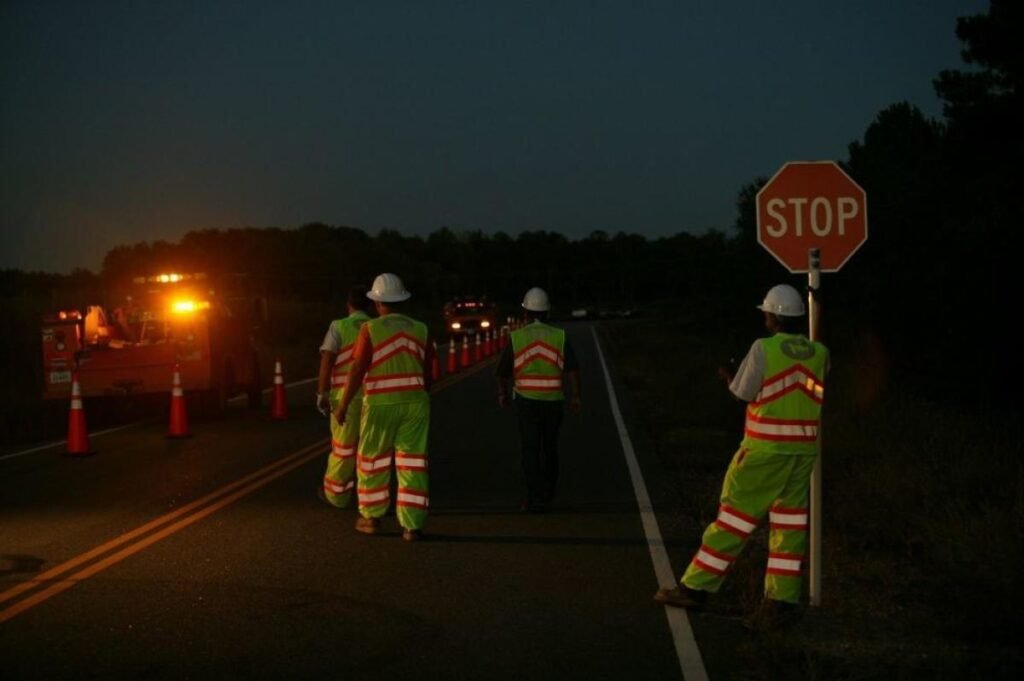
Safety Network Inc. has developed hundreds of traffic control plans specifically for nighttime operations. Our experience shows that successful night work requires careful planning, enhanced visibility measures, and strict adherence to safety protocols. This article explores the main challenges of nighttime work zones and provides proven strategies and safety measures that keep projects compliant, efficient, and safe.
Major Challenges of Nighttime Work Zones
Night operations present unique difficulties that must be proactively addressed:
Reduced Visibility and Driver Reaction Time Drivers have less time to see and react to work zone changes. Headlights create glare, and shadows can hide hazards. According to FHWA studies, nighttime crashes in work zones are often more severe due to higher impact speeds.
Driver Fatigue and Impaired Driving A higher percentage of nighttime drivers may be fatigued or impaired, reducing their ability to respond appropriately to temporary traffic control devices.
Worker Safety Concerns Crews operate in low-light conditions for extended periods, increasing the risk of trips, struck-by incidents, and reduced situational awareness.
Equipment and Signage Performance Standard daytime signs and devices may not provide adequate visibility at night. Lighting systems must be powerful enough without creating dangerous glare for drivers.
Inspection and Compliance Pressure Caltrans and local agencies maintain strict standards for nighttime operations. Poor planning can lead to immediate stop-work orders.
Effective Strategies for Nighttime Traffic Control Plans
A successful nighttime plan must address visibility, channelization, and worker protection simultaneously.
1. Advanced Lighting Systems Proper illumination is non-negotiable. We recommend:
- Minimum 10 foot-candles in active work areas
- Balloon lights and tower lights for broad, even coverage
- Work lights mounted on shadow vehicles
- Glare shields to protect oncoming traffic
- Backup generators for uninterrupted power
2. Enhanced Signage and Devices Nighttime requires upgraded visibility:
- Type XI (Diamond Grade) retroreflective sheeting on all signs
- Larger sign sizes for better long-distance recognition
- High-intensity arrow boards with proper sequencing
- Increased use of portable changeable message signs (PCMS)
- Additional reflectorized channelizing devices and barrels
3. Optimized TMA and Shadow Vehicle Placement TMAs must be correctly weighted, mounted, and positioned. Arrow boards should be synchronized with vehicle lighting for maximum effectiveness.
4. Clear Taper and Channelization Design Longer tapers and increased device spacing help drivers make safe lane changes at higher nighttime speeds.
5. Worker Visibility and Protection
- Class 3 high-visibility clothing with retroreflective material
- Positive protection barriers (K-rail, crash cushions) where feasible
- Trained flaggers with proper nighttime equipment
- Clear internal traffic control plans within the work area
Safety Measures That Make Night Work Successful
Comprehensive Worker Training All crew members should receive specific training on nighttime hazards, emergency procedures, and proper use of safety equipment.
Technology Integration Modern solutions include radar speed trailers, drone monitoring for large projects, and real-time communication systems between flaggers and equipment operators.
Continuous Monitoring Supervisors and traffic control technicians must constantly monitor conditions and adjust signage, lighting, and devices as the work progresses.
Emergency Contingency Planning Detailed plans for equipment failure, weather changes, or incidents ensure quick, safe responses.
Why Professional Traffic Control Planning Is Essential for Night Work
Attempting to manage nighttime operations without a detailed, site-specific plan is risky and often leads to compliance violations. Safety Network Inc. creates plans that integrate lighting layouts, enhanced signage, TMA positioning, and worker protection measures tailored to each project’s unique conditions.
Our plans help contractors:
- Pass inspections on the first attempt
- Reduce incident rates
- Maintain project schedules
- Meet Caltrans and local agency requirements
Real-World Success with Nighttime Operations
Highway Rehabilitation Project (Central Valley) We designed a comprehensive nighttime plan with advanced lighting, large arrow boards, and properly positioned TMAs. The project completed ahead of schedule with zero safety incidents.
Urban Bridge Maintenance (Bay Area) Careful lighting design and enhanced signage allowed safe work in a high-traffic urban corridor while minimizing disruption to commuters.
These successes demonstrate that with proper planning, nighttime work can be both safe and efficient.
Best Practices for Contractors Running Night Operations
- Start planning early — nighttime plans require more detail and coordination
- Invest in quality lighting and reflective materials
- Schedule regular crew training on night-specific safety
- Maintain detailed records of lighting measurements and equipment performance
- Partner with experienced traffic control professionals for plan development
Partner with Safety Network Inc. for Your Night Work Projects
Our team specializes in creating effective, compliant traffic control plans for nighttime operations. We combine technical expertise with practical field experience to help you work safely after dark.
Contact us today to discuss your upcoming nighttime projects. We’ll help you develop strategies that protect your crew, meet regulatory requirements, and keep your project on schedule.