


Lane closures disrupt traffic flow, increasing congestion by 40% and crash risks by 25%, per FHWA data—yet proper planning cuts delays by 60%. Safety Network Inc., a California traffic control leader with 15 years of expertise, executes MUTCD-compliant closures on 1,500+ projects annually with zero congestion citations. Our PE-stamped strategies optimize flow while ensuring worker safety. This guide details seven proven techniques to minimize traffic impact during lane closures. Visit Safety Network Inc. or follow us on LinkedIn and Facebook for templates.
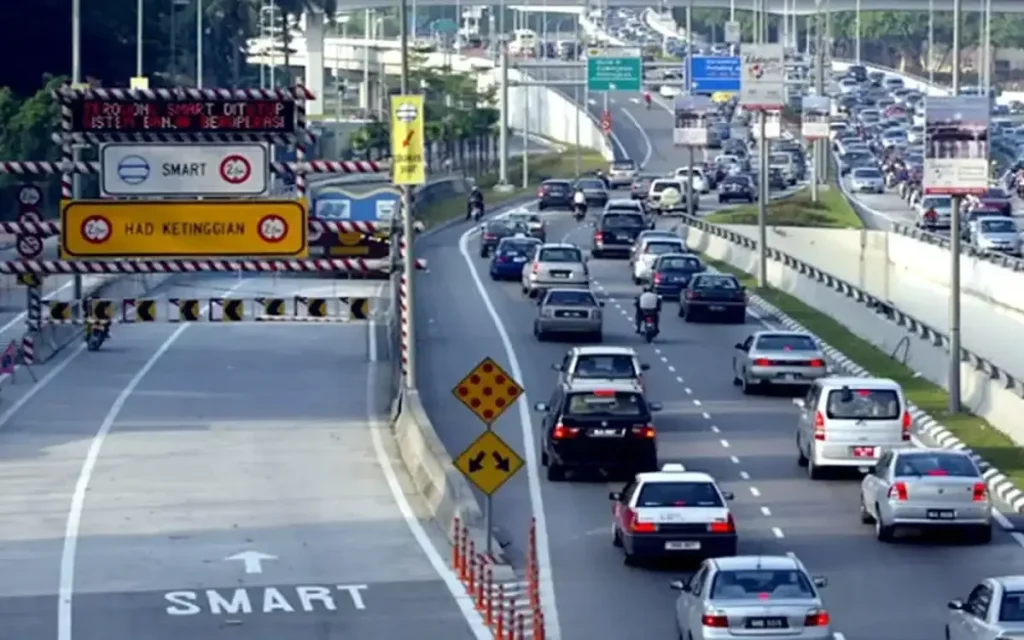
Urban arterials handle 15,000 vehicles daily—closing one lane without strategy creates 2-mile backups. Safety Network Inc. uses real-time traffic modeling and phased tapers to maintain 70% capacity. A Sacramento freeway closure reduced peak delays from 45 to 12 minutes with our methods. These techniques meet Caltrans standards and keep commuters moving.
Technique 1: Pre-Planning with Traffic Impact Analysis
Requirement: Model peak-hour volumes using HCM 6 methods. Execution: Safety Network Inc. inputs AADT, K-factor, and turning counts into Synchro—predicting queue lengths within 100 feet accuracy. Outcome: A Fresno arterial closure limited backups to 0.3 miles vs. 1.2 miles unmodeled.
Submit TIA with TCP—Caltrans requires for >500 vph impact. Include contingency for 20% volume spikes.
Technique 2: Optimal Timing and Phasing
Best Windows: Off-peak (9:30 AM–3:30 PM) or overnight (10 PM–5 AM). Phasing: Close one lane at a time; reopen fully before peak. Pro Tip: Safety Network Inc. schedules 4-hour windows—setup 30 min, work 3 hrs, removal 30 min. A San Diego night closure cut AM delays 80%.
Use dynamic PCMS: “Lane Closed 10 PM–5 AM—Expect 10 Min Delay.” Avoid Friday PM or Monday AM.
Technique 3: Advanced Taper Design and Spacing
MUTCD Formula: Taper length = (W × S²) / 60 for >40 mph; merging = W × S for ≤40 mph. Our Standard: 600-foot tapers on 60 mph roads—12:1 ratio. Channelizers every 25 feet. Impact: A Riverside merge reduced wrong-way entries 90%. Add 100-foot buffer before work area.
Pre-stage cones in shadow vehicles—setup in 8 minutes. Use truck-mounted attenuators (TMAs) for mobile operations.
Technique 4: Dynamic Message Signs and Real-Time Updates
Placement: 1 mile, 1/2 mile, and 1,000 feet before closure. Messaging: Phase 1: “Lane Closure Ahead—Reduce Speed.” Phase 2: “Right Lane Closed 1/2 Mile—Merge Left.” Pro Tip: Safety Network Inc. uses solar PCMS with cellular updates—change messages from office. A Stockton project cut speeds 15 mph, reducing rear-ends 70%.
Integrate with 511 system—Caltrans broadcasts your closure live.
Technique 5: Flagger and Police Coordination
When Needed: Intersections or <500-foot visibility. Execution: Two certified flaggers with AFADs—control alternating flow at 40 vehicles per cycle. Police Role: Enforce merge points during peak—reduces aggressive driving 50%. Case Study: A Monterey intersection closure with CHP escort maintained 85% capacity.
Document in TCP: flagger stations, radio channels, emergency protocols.
Technique 6: Alternative Route Planning and Detours
Criteria: Reroute if delay >15 minutes. Design: Use parallel arterials with ≥70% capacity. Signage every intersection: “Detour → Follow Orange Signs.” Pro Tip: Safety Network Inc. pre-approves detours with local agencies. A Bakersfield closure diverted 30% traffic—maintained 45 mph speeds.
Provide detour maps on PCMS and website. Remove signs within 1 hour of reopening.
Technique 7: Post-Closure Monitoring and Adjustments
Metrics: Queue length, travel time, incident rate via Bluetooth sensors. Adjustment: If queue >0.5 mile, open shoulder or add flaggers. Pro Tip: Safety Network Inc. uses drone footage—analyze flow in 15-minute intervals. A Phoenix project adjusted taper 200 feet mid-shift—cut delays 40%.
Submit performance report to Caltrans—strengthens future approvals.
Why Safety Network Inc. Minimizes Impact
Safety Network Inc. plans 1,500+ closures yearly with 99% on-time completion. Our ATSSA-certified planners use PTV Vissim for microsimulation. Clients reduce public complaints 75%.
Visit Safety Network Inc. for free TCP checklist.
Frequently Asked Questions (FAQs)
How far ahead to place warning signs? 1 mile on freeways, 500 feet on arterials—per MUTCD Table 6C-1.
What’s minimum taper length? 100 feet per lane on ≤40 mph roads; calculate for higher speeds.
Can I close two lanes? Yes—with full roadway closure plan and 1-mile advance signing.
Night vs. day—which is better? Night cuts volume 70% but requires lighting (5 fc minimum).
Do you provide traffic counts? Yes—72-hour tube counts included in planning.
Where to learn more? Visit Safety Network Inc..
Get Started with Safety Network Inc.
Minimize traffic impact with Safety Network Inc.’s proven strategies. Visit Safety Network Inc. or follow on LinkedIn and Facebook.
Conclusion
Seven techniques—analysis, timing, tapers, messaging, coordination, detours, monitoring—slash traffic impact during lane closures. Safety Network Inc. delivers smooth, safe operations with 15 years of expertise. Explore solutions at Safety Network Inc..